🚨 Trump Issues Final Warning to Iran as Nuclear Deal Nears Critical Turning Point
WASHINGTON — President Donald Trump has outlined a series of sweeping conditions for a potential agreement with Iran, declaring that Tehran must permanently abandon its pursuit of nuclear weapons and immediately reopen the Strait of Hormuz to unrestricted commercial shipping. However, uncertainty remains over whether Iranian leaders have approved the proposed framework, raising questions about how close the two countries actually are to reaching a deal.
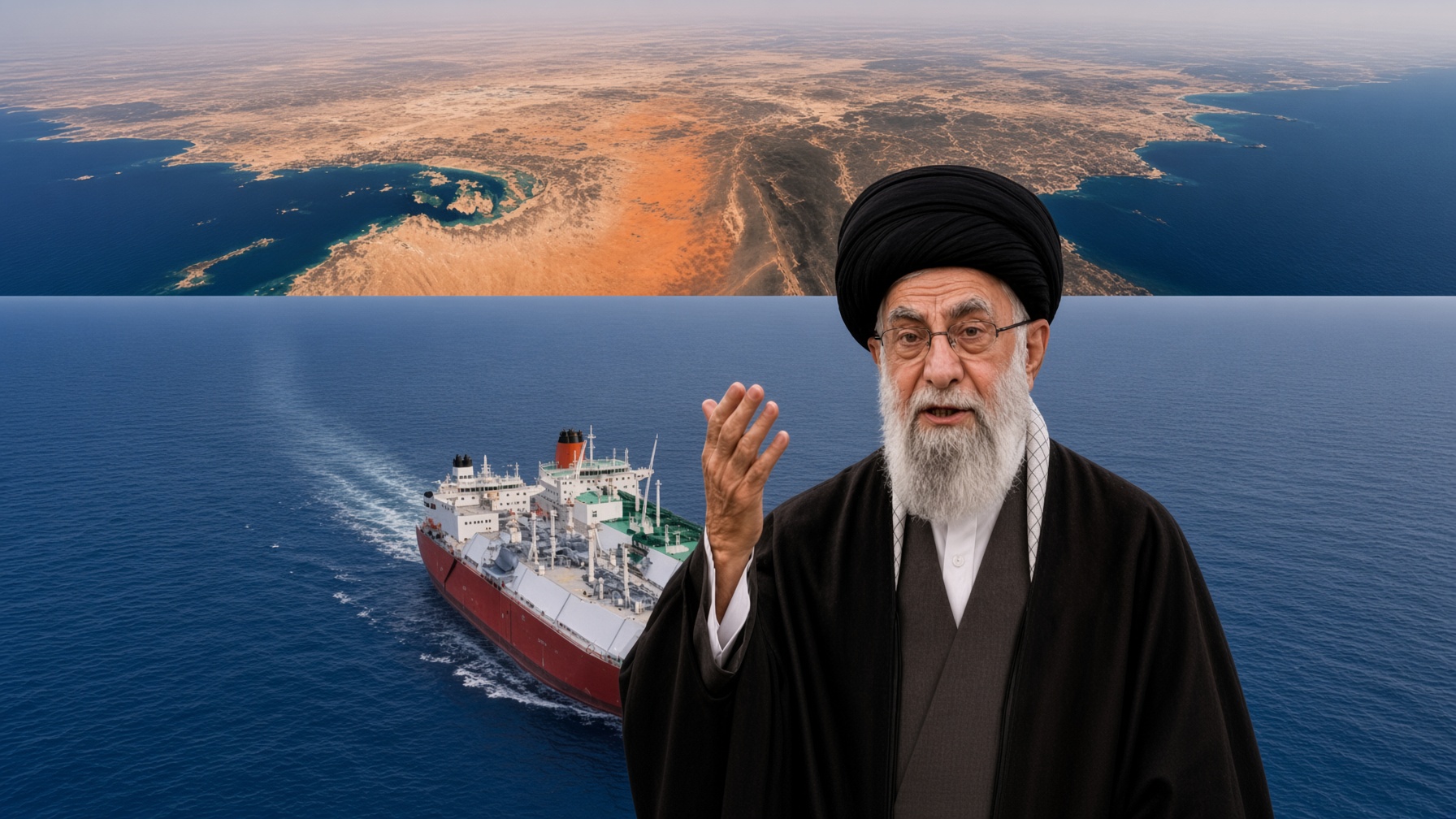
According to reports, U.S. and Iranian negotiators have reached a preliminary memorandum of understanding (MoU), with White House officials indicating that an agreement could be within reach. Trump, however, has yet to announce final approval, while Iranian officials have reportedly not accepted all the proposed terms. Israel has also expressed uncertainty over whether Iran’s Supreme Leader, Mojtaba Khamenei, has signed off on the arrangement.
In a Truth Social post, Trump emphasized that any agreement must meet Washington’s central demands.
“Iran must agree that they will never have a nuclear weapon or bomb. The Hormuz Strait must be immediately open, no tolls, for unrestricted shipping traffic, in both directions,” the president wrote.
His remarks underscored the administration’s insistence that any diplomatic breakthrough must deliver tangible security guarantees while restoring access to one of the world’s most important maritime energy corridors.
⚠️ Strait of Hormuz Emerges as a Major Sticking Point
Trump also addressed the issue of naval mines reportedly placed in the Strait of Hormuz, a strategic waterway through which a substantial share of global oil shipments normally passes.
The president said U.S. forces had already destroyed numerous mines and maintained that Iran would be responsible for removing or detonating any remaining explosives as part of the proposed arrangement.
He also indicated that ships stranded in the area because of the U.S. naval blockade could begin returning home if the restrictions were lifted.
“Ships caught in the Strait due to our amazing and unprecedented naval blockade, which will now be lifted, may start the process of ‘heading home!’” Trump wrote.
The announcement raised questions about the timing of the proposed blockade reversal. Under the reported framework, lifting the restrictions was expected to follow the formal signing of the memorandum. Trump’s statement appeared to suggest that he was prepared to move ahead before all outstanding issues had been resolved.
It remained unclear whether Tehran had requested that the blockade be lifted in advance or whether the president was signaling a unilateral decision intended to encourage further progress in negotiations.
☢️ Nuclear Materials Remain at the Center of Dispute
Iran’s nuclear program remains one of the most difficult obstacles to a lasting agreement.
Trump said the material he referred to as “nuclear dust” would be recovered and destroyed through cooperation involving the United States, Iran and the United Nations’ nuclear watchdog.
The issue concerns Iran’s stockpiles of highly enriched uranium and the broader question of whether Tehran will accept verifiable restrictions designed to prevent the development of nuclear weapons.
Under the reported proposal, the two sides would continue negotiations during a 60-day ceasefire extension, using the additional time to address the nuclear program and other unresolved disputes.
However, there has been no clear public confirmation that Iran has agreed to surrender or eliminate its nuclear materials under the conditions described by Trump.
The difference between Washington’s demands and Tehran’s reported position could determine whether the preliminary understanding becomes a formal agreement or collapses before implementation.
Trump also indicated that financial concessions would remain on hold.
“No money will be exchanged, until further notice,” he wrote, apparently referring to sanctions relief or other economic benefits that Iran might receive under a finalized agreement.
He added that several less significant issues had already been settled and said he would meet with officials in the White House Situation Room to make a final determination.
🕊️ Fragile Ceasefire Offers a Narrow Diplomatic Window
Reports of a possible 60-day ceasefire extension have raised hopes that the United States and Iran could avoid another escalation of direct hostilities.
The reported arrangement follows weeks of heightened tensions, military operations against Iranian targets and exchanges that have increased instability across the Middle East.
For now, however, the diplomatic process remains fragile. The preliminary memorandum does not necessarily represent a completed agreement, and the parties still face difficult questions involving nuclear restrictions, maritime security, sanctions and enforcement.
Reopening the Strait of Hormuz could help restore commercial shipping and ease pressure on international energy markets. Yet any lasting settlement would likely require credible verification mechanisms and assurances that neither side would abandon its commitments.
Trump’s latest statements signal that his administration believes a deal may be possible, but they also make clear that Washington is not prepared to accept an agreement that fails to address its core security concerns.
Whether Iran accepts those conditions remains uncertain. Until both governments formally approve the terms, the proposed deal remains a diplomatic framework rather than a confirmed breakthrough.
The coming negotiations could therefore prove decisive in determining whether the ceasefire develops into a broader settlement or becomes another temporary pause in a continuing regional confrontation.