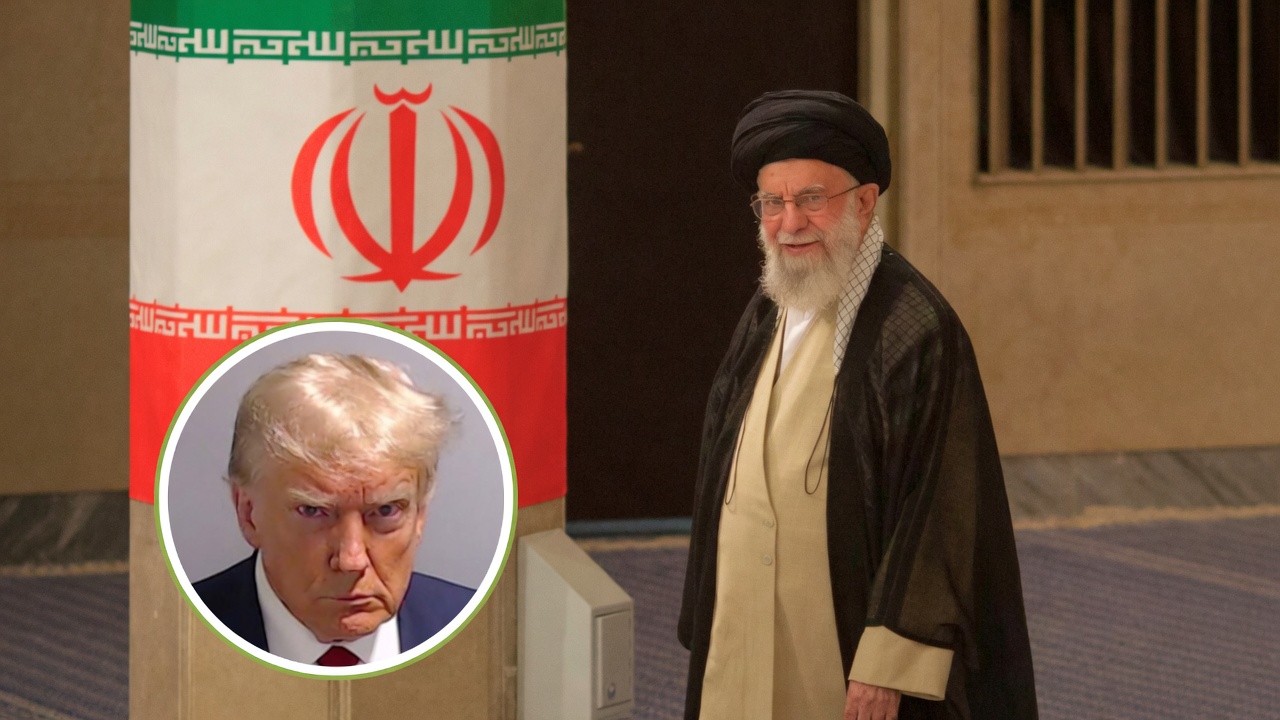
Iranian state media has announced that formal funeral ceremonies for the late Supreme Leader, Ali Khamenei, will commence in Tehran on July 4 and conclude with his burial in the holy city of Mashhad on July 9.
The multi-day observances will include large public processions in Tehran, followed by memorial ceremonies in the religious center of Qom on July 7. Officials expect millions of mourners to participate throughout the events, making it one of the largest state funerals in Iran’s modern history.
Khamenei, who led Iran for nearly four decades, was killed at the age of 86 during joint U.S.-Israeli military strikes on February 28. His death marked a historic turning point for the Islamic Republic, triggering a period of political transition and prompting the establishment of an interim leadership structure.
Authorities delayed funeral arrangements for several months due to ongoing regional hostilities, heightened security concerns, and the extensive logistical planning required for such a large-scale national event. Iranian officials have also noted that the timing aligns with the Islamic month of Muharram, a period of profound significance and mourning for Shia Muslims.
The decision to begin ceremonies on July 4 has attracted international attention because it coincides with the 250th anniversary of U.S. Independence Day. While some analysts view the timing as potentially symbolic given decades of tensions between Tehran and Washington, Iranian officials have not publicly characterized the date as a deliberate political statement.
Khamenei will be laid to rest in Mashhad, a city deeply connected to his personal history and religious identity. The burial is expected to serve as the culmination of a week of national mourning and remembrance.
The funeral ceremonies come at a pivotal moment for Iran, as reports suggest diplomatic efforts toward a broader ceasefire and post-conflict settlement continue to advance. For Iran’s leadership, the events are expected to underscore national unity, institutional continuity, and the state’s ability to navigate a historic transition following months of war and uncertainty.