Diana’s Enduring Shadow: Unsettled Grief, Competing Memoirs, and the Fracture Behind the Crown
LONDON — Nearly three decades after the sudden death of Diana, Princess of Wales, the shockwaves of that August night in 1997 continue to test the foundations of the House of Windsor. For the global public, her passing remains an indelible chapter of modern royal history. For King Charles III and his sons, Prince William and Prince Harry, it remains an unresolved domestic tragedy—one repeatedly reignited by competing recollections, tell-all memoirs, and the friction between institutional duty and private grief.
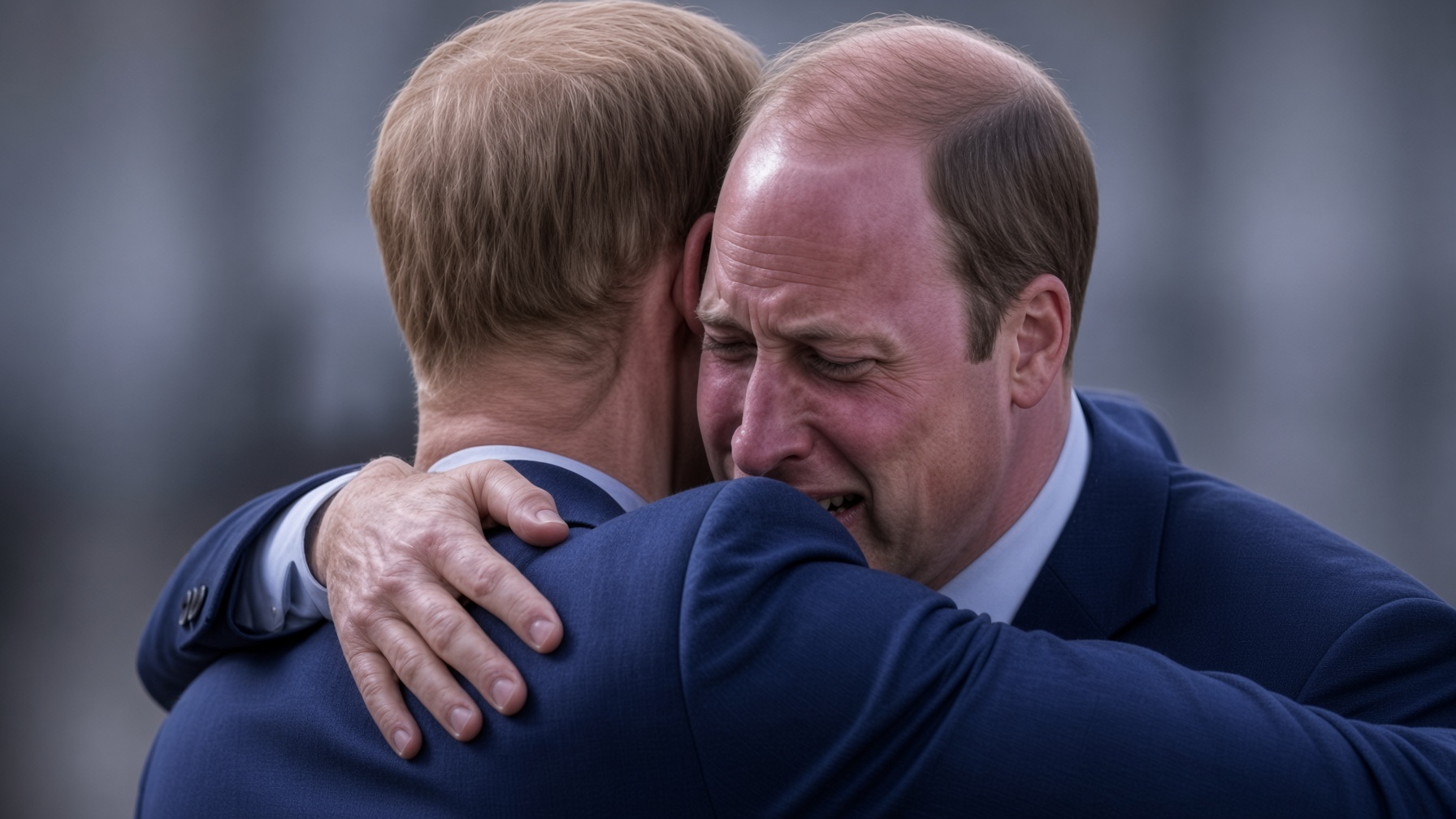
In recent weeks, an influx of tabloid speculation and viral commentary has pointed toward an alleged emotional reckoning behind palace walls, with claims circulating of a dramatic private confrontation and confession between the King and the Prince of Wales. Buckingham Palace has maintained its customary silence regarding these unsubstantiated reports, and veteran palace observers stress that such unverified conversations should be treated with extreme skepticism.
Yet the appetite for these narratives underscores a broader, undeniable truth: the emotional fallout from Diana’s fatal car crash in Paris continues to shape the monarchy’s contemporary dynamic, complicating the relationships among the three men most profoundly altered by her loss.
The Boyhood Trauma That Set Modern Royal History
When Diana died on August 31, 1997, Prince William was 15 and Prince Harry was 12. The defining image of the national period of mourning that followed—two young boys walking behind their mother’s cortege as it moved through the hushed streets of central London—remains among the most poignant in British royal history.
While the ceremony became an anchor for a grieving nation, both princes have since acknowledged the deep psychological toll of having their rawest childhood sorrow broadcast to billions. In the decades that followed, those formative experiences set the stage for two starkly contrasting paths within the royal framework:
The Heir: Prince William integrated his personal life within the institutional machinery, accepting the traditional expectations required of a future sovereign while quietly championing charitable initiatives that echoed his mother’s humanitarian focus, from homelessness to mental health.
The Spare: Prince Harry increasingly chaffed under the strictures of royal protocol and media scrutiny, ultimately stepping back as a working royal alongside Meghan, Duchess of Sussex, in 2020 to establish an autonomous platform in California.
The diverging choices of the brothers did not merely reflect professional shifts; they exposed fundamental disagreements over how to survive the machinery that Diana herself found so suffocating.
A War of Words: The Spencer Memoir and the Palace Rebuttal
The latest chapter in this generational struggle has been spurred not by rumors, but by high-profile testimony from Diana’s immediate family. The publication of Swan Song: Diana, My Sister, a memoir by Charles Spencer, 9th Earl Spencer, has brought historical grievances back into the headlines.
In the book, Earl Spencer recounts interactions with the royal household in the immediate wake of his sister’s death, alleging that the then-Prince Charles remarked that they would “forget her soon enough.” Spencer has stood firmly by his text, stating that his recollections reflect genuine discussions from a period marked by acute tension between the Spencer family and the royal establishment.
In an unusually candid public response, Buckingham Palace took the rare step of pushing back against Spencer’s account, suggesting that the fog of extreme grief can distort memory and perspective. For an institution long defined by Queen Elizabeth II’s informal maxim of “never complain, never explain,” the decision to directly challenge Spencer’s narrative reflects the acute sensitivity that still surrounds the King’s first marriage.
The Prince of Wales’s Delicate Balancing Act
For William, now Prince of Wales and direct heir to the throne, the public dispute places him in an inherently fraught position. His constitutional obligations demand absolute alignment with the Crown, an institution currently led by his father. At the same time, his emotional identity remains rooted in his loyalty to his mother’s memory.
Insiders note that William has long had to reconcile these dual loyalties. He must maintain an effective working relationship with King Charles while managing the complicated history of his parents’ turbulent divorce and its public aftermath. Unlike external commentators, William cannot compartmentalize the monarchy as a mere system; for him, it is simultaneously an ancestral duty and the very apparatus that defined his mother’s hardest years.
There is no credible indication that any single private summit between Charles and William has magically erased these complexities. Instead, their relationship is shaped by a pragmatism born of shared destiny: both men understand that the stability of the modern monarchy depends on unity at the summit of the hierarchy, regardless of personal ghosts.
The Transatlantic Distance and an Elusive Peace
Meanwhile, Prince Harry’s presence—even from across the Atlantic—remains inextricably linked to the narrative. Harry’s own autobiographical reflections, including his memoir Spare, positioned his departure from frontline royal life as an effort to protect his family from the historical cycle that claimed his mother.
Recent visits by the Duke and Duchess of Sussex to the United Kingdom have renewed public discussion regarding potential family diplomacy. However, formal confirmation from the palace that Harry and Meghan remain non-working members without the use of their HRH styles emphasizes that structural boundaries remain firmly drawn.
Constitutional analysts emphasize that family healing cannot be conflated with institutional reintegration. While ceremonial engagements often give the illusion of change, the underlying personal rift between the brothers remains wide, with little evidence that the communication channels between London and California have been restored to their former closeness.
Beyond Titles and Statecraft
The enduring fascination with Diana’s life and death demonstrates that human grief rarely follows the clean trajectories demanded by constitutional continuity.
Over the past three decades, the British monarchy has successfully weathered profound transitions. Elizabeth II’s historic reign concluded; Charles ascended to the throne as an aging reformer; William assumed the responsibilities of the Duchy of Cornwall; and a new generation of royals entered the public eye.
Yet beneath the state banquets and formal declarations, Diana’s absence remains a foundational fact of the Windsor family portrait. Her loss is not an abstract historical milestone to be neatly resolved by an apology or an engineered summit. For the King, the Prince of Wales, and the Duke of Sussex, it remains what it was in the late summer of 1997: an enduring, intensely personal bereavement that no crown, title, or passage of time can completely heal.



